Ladakh · Nubra Valley
Turtuk: the last village before the border
Apricot orchards, Balti culture, and glacier water running through stone channels. Turtuk only opened to travellers in 2010, and it still feels like it.
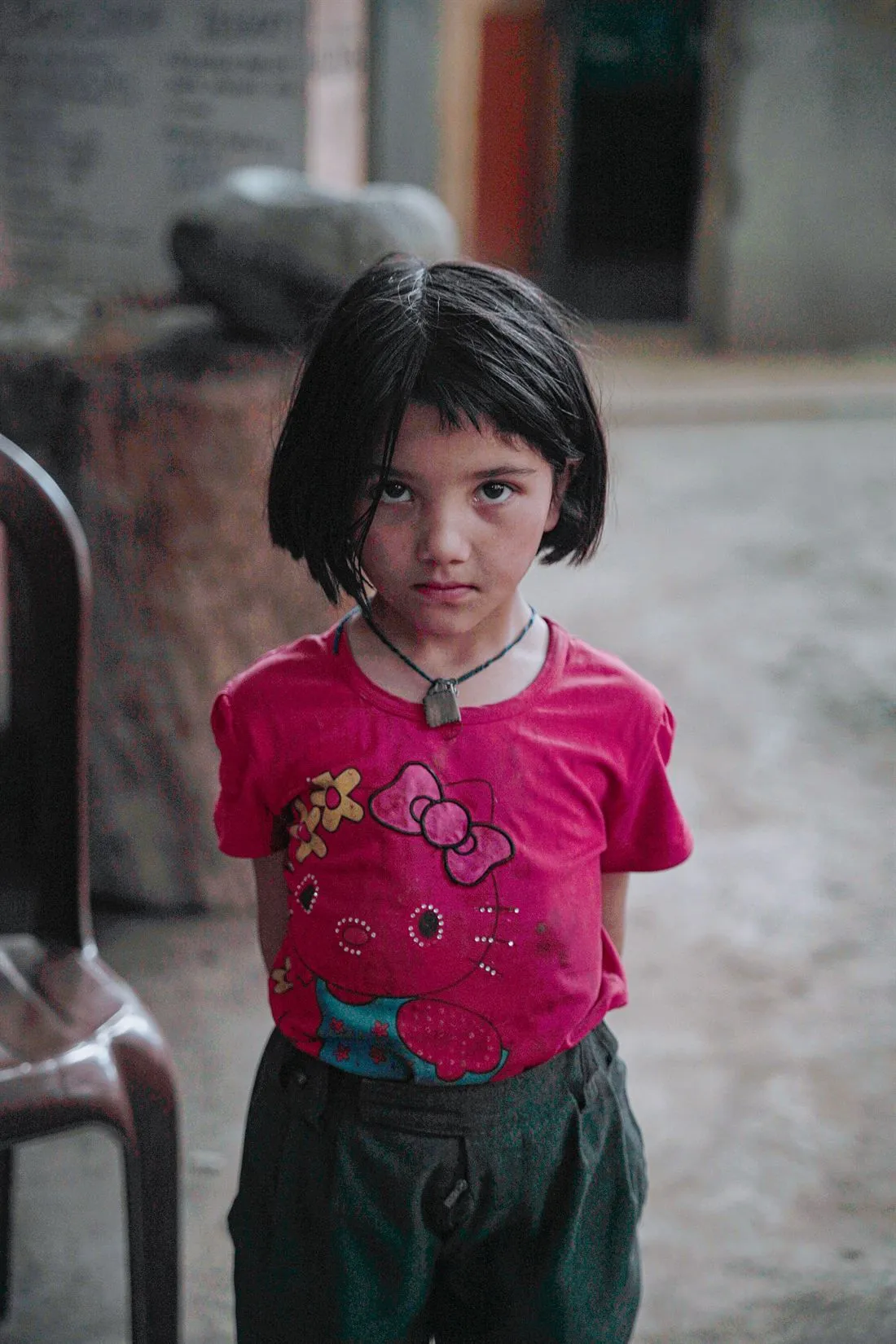
Most people doing the Ladakh circuit stop at Diskit or Hunder and turn back. That’s the mistake. Push another couple of hours down the Shyok river and the road ends at Turtuk, a Balti village that belonged to Pakistan until 1971, and that Indian civilians weren’t allowed to visit at all until 2010. It’s one of the newest places in India to open to outsiders, which is exactly why it hasn’t been flattened into a photo-stop yet.
Getting there
Turtuk sits roughly 205km from Leh, most of it via Khardung La and down through Diskit and Hunder. Budget a full day if you’re doing it in one push, or better, break the journey and sleep in Hunder or Diskit first. The road follows the Shyok river for the last stretch and is generally in good condition in season, but this is still high-altitude Ladakh. Landslides and checkpoints can add hours without warning, so build in slack rather than a tight schedule.
Permits: Turtuk lies inside the Nubra Valley protected/restricted zone near the Line of Control, so Indian nationals need an Inner Line Permit and foreign nationals need a Protected Area Permit. Rules, fees and the list of permitted villages change periodically, so confirm current requirements with the Leh DC office or a local agent before you travel rather than relying on old blog posts — mine included.
Best time to visit
Turtuk is only really accessible late May through late September; the road in and much of Ladakh shuts down under snow outside that window. Go in August if you want the apricot harvest. The trees along the irrigation channels turn the whole village orange, and drying apricots on rooftops is the defining image of the place.
What makes it worth the detour
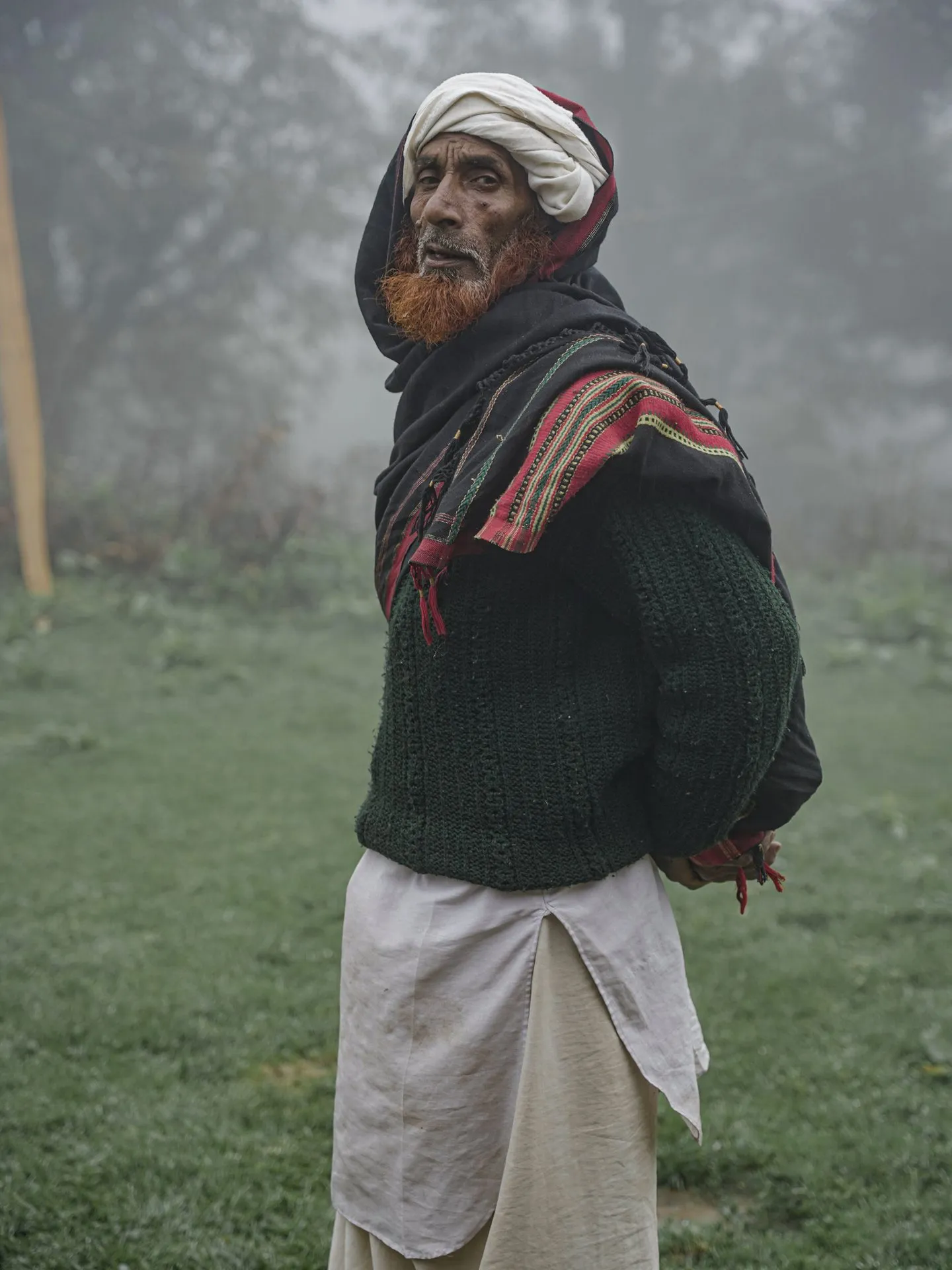
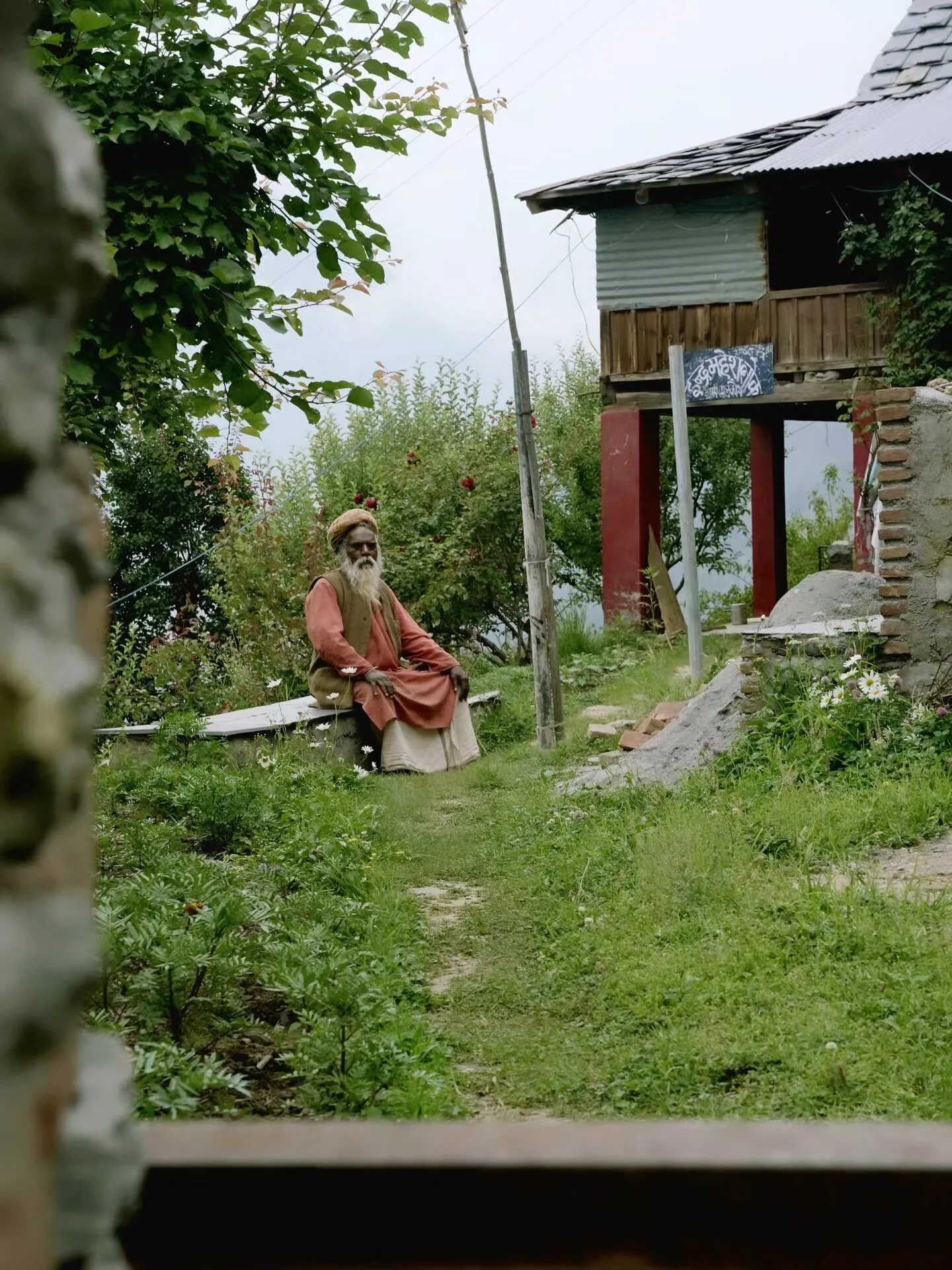
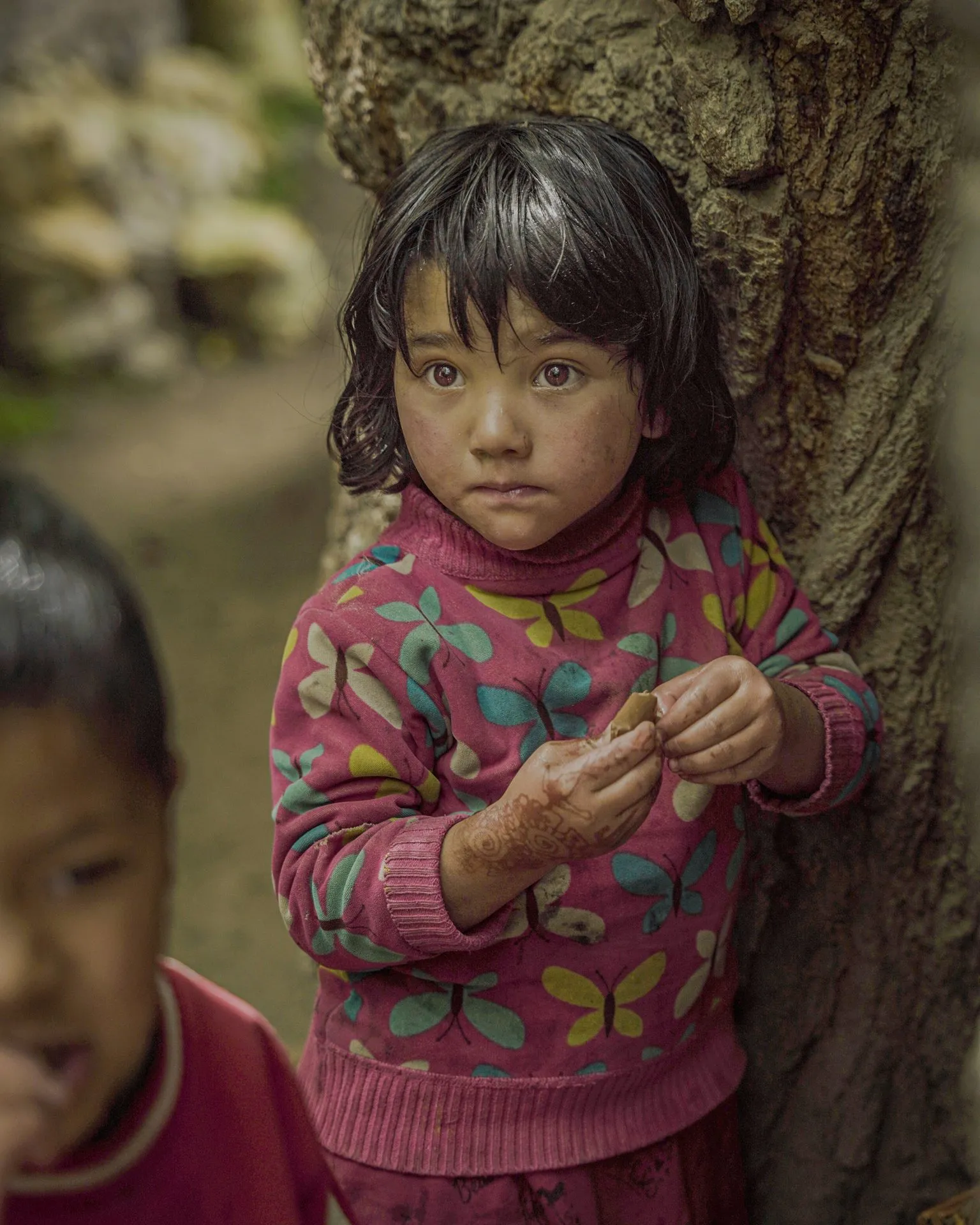
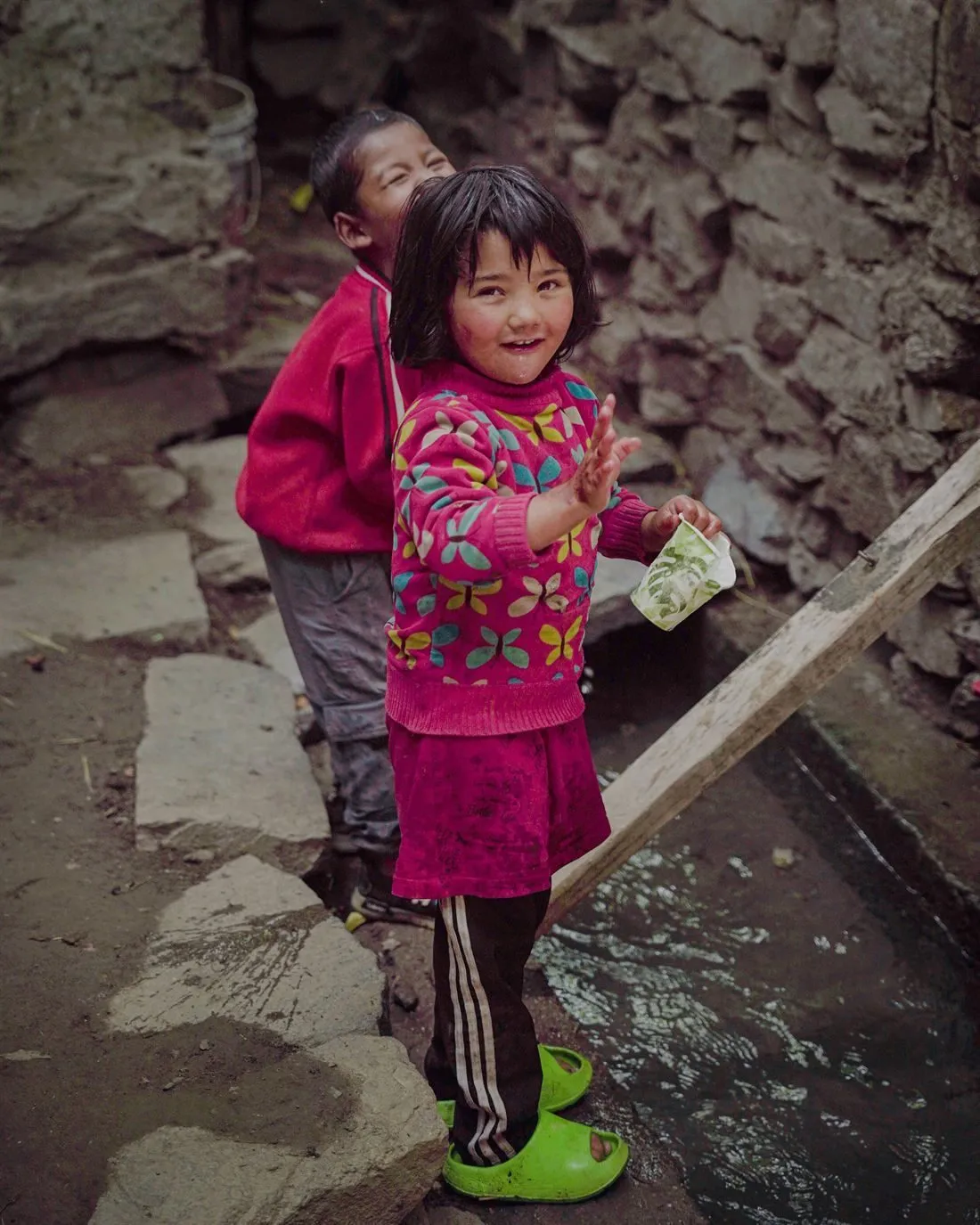
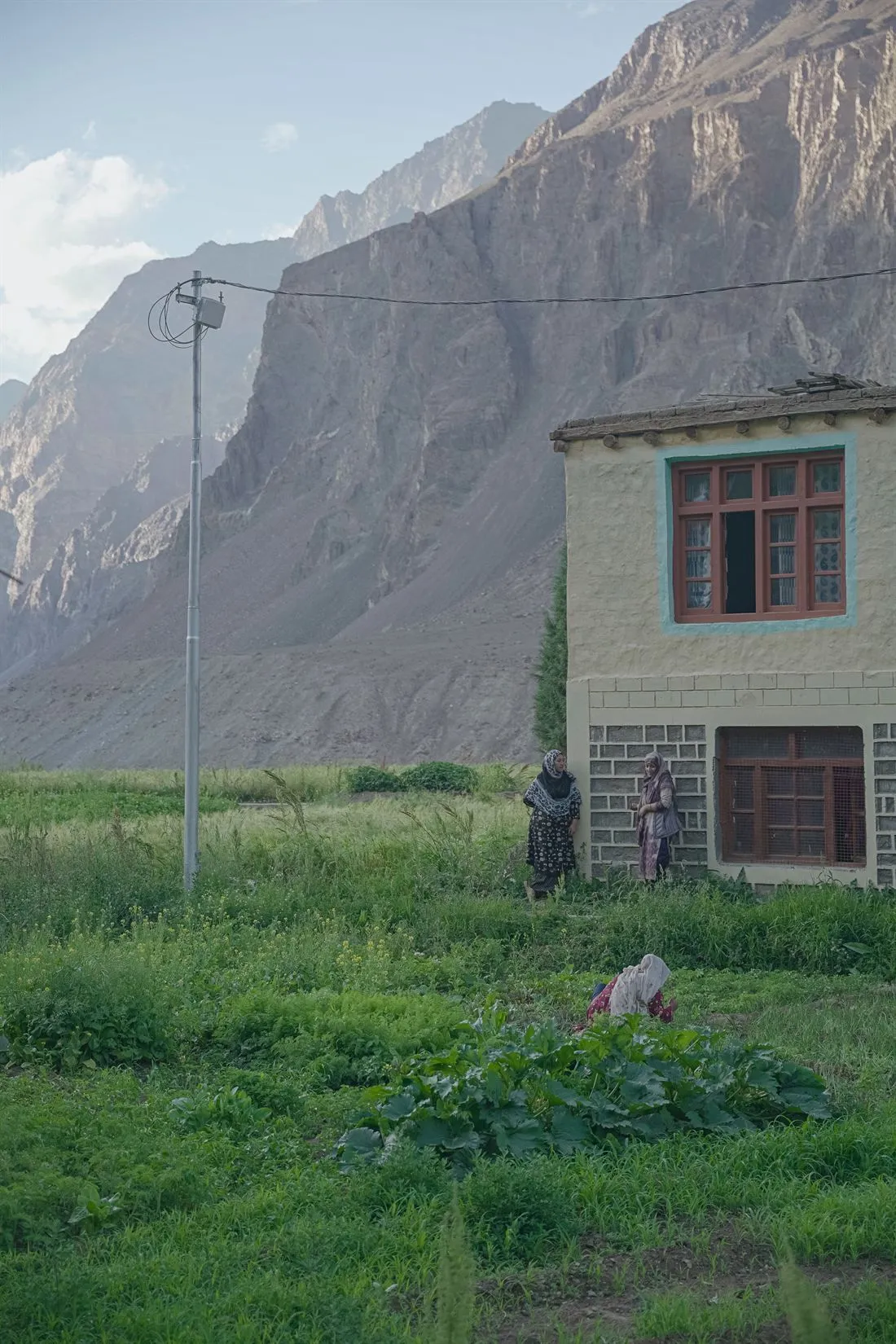
Turtuk is two hamlets, Farol and Youl, split by the Shyok river and connected by a footbridge. The architecture, language and food here are Balti, closer culturally to Baltistan across the border than to the rest of Ladakh: mud-and-stone houses stacked up the hillside, a centuries-old mosque, glacier meltwater channelled through hand-cut stone runnels past every doorway. Walk the lanes in the late afternoon and you’ll get waved into more conversations than you can keep up with. That’s how most of my Turtuk frames happened. Nothing was staged; someone’s door was just open.
Practical notes
Homestays are the norm and the right call here. Hotels are limited, and homestays put your money directly into the village and usually come with a home-cooked Balti meal. Network coverage is patchy to nonexistent; plan for a day offline. And go slow: give Turtuk a full day and a night instead of a two-hour photo stop on the way back from Diskit.
I'm riding through places like this again
The Pan-India Bike Expedition is a slow, phase-by-phase ride around the country, at the same unhurried pace that made Turtuk worth the detour. If you're based somewhere on the route, or know a place like this one, I want to hear about it.